

The meeting ran over. Your inbox is overflowing. And a quick glance at your calendar tells you there’s no room to breathe.
You take a deep breath, count to 10, and try to stay calm. But instead of feeling better, frustration builds.
Your mind races, and the stress feels like a tidal wave.
Now imagine this:
You approach that same chaotic day differently. The stress is still there, but you don’t spiral.
Instead, you’re calm, clear-headed, and fully in control of your response.
Here’s the truth:
Common advice like 'just calm down' doesn’t address the deeper triggers behind your stress, which is why depression and anger management strategies are essential for long-term solutions.
The good news?
Understanding why it doesn’t work is the first step toward real solutions, such as enrolling in anger management training online to build healthier coping mechanisms.
Why “Calm Down” Seems Like Perfect Advice But Isn’t
“Calm down” is the advice we’ve all heard in moments of stress.
It sounds simple: Pause, collect yourself, and let the tension subside. But it often falls short.
This advice focuses on suppressing emotions rather than addressing their cause.
It can feel dismissive, as if your feelings don’t matter or aren’t valid.
True calm isn’t about forcing yourself to feel better. It’s about understanding why you’re upset in the first place.

The Unexpected Cost of Suppressing Your Emotions
Holding back anger or frustration might seem like the polite thing to do, but it often backfires.
Suppressed emotions don’t vanish. They build up, like shaking a soda can—eventually bursting at the worst moment.
Acknowledging your emotions, on the other hand, allows you to manage them constructively through anger management therapy or other healthy outlets.
This could mean talking it out, journaling, or even engaging in physical activity.
Letting out your emotions in a healthy way keeps you in control and prevents future blow-ups.
How to Turn Anger Into a Tool, Not a Threat
Anger is often misunderstood as a destructive force. But when handled well, it can be a powerful tool.
Think of anger as a message: It’s your mind and body telling you something’s wrong.
Instead of fighting it, ask yourself, “What is this feeling trying to tell me?”
Use anger to set boundaries, make decisions, or drive positive change.
By channeling it constructively, you turn a potential threat into an opportunity for growth.

Transforming Conflict Into Confidence: The New Path Forward
Conflict doesn’t have to mean chaos. With the right approach, it can become a path to clarity and confidence.
The key is to shift your mindset. See disagreements not as battles, but as opportunities to listen, learn, and grow.
Start by understanding the other person’s perspective. Then, calmly express your own feelings and needs.
This turns conflict into a collaborative process, strengthening your relationships—especially when dealing with anger in relationships—and your ability to handle challenges.
Your New Relationship With Anger Starts Now
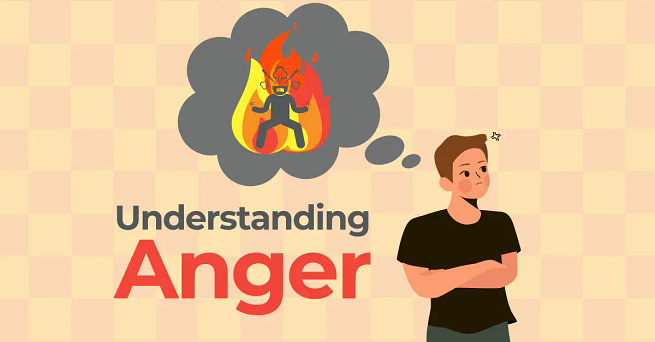
You’ve just uncovered new ways to understand and manage anger…
Not by suppressing it, but by embracing it.
Anger doesn’t have to be something you fear. When used wisely, it becomes a tool for clarity, action, and even connection.
Imagine your next stressful moment. Instead of reacting impulsively, you pause, reflect, and respond with purpose.
This is your opportunity to create a healthier relationship with your emotions.
Take one small step today:
Acknowledge what you’re feeling, express it constructively, and embrace anger as a natural part of life.
You’ve got the tools, and you’re ready for this transformation.
